
What It Means, Risks, and How Long It Can Stay Exposed
Exposed Roof Underlayment
The protective layer between your shingles and roof decking
What Is Roof Underlayment?
Roof underlayment is the protective layer installed directly over the roof decking and underneath the finished roofing material, such as asphalt shingles, metal panels, or tile. It acts as a secondary barrier that helps shed water if wind-driven rain gets under the shingles or if a few shingles are damaged during a storm. Homeowners usually start searching because they notice dark sheets showing where shingles should be, then wonder things like how long can roof underlayment be exposed, whether roof underlayment exposed to rain is already a serious problem, or how long can synthetic underlayment be exposed before it starts breaking down. The important thing to understand is that underlayment is not the roof’s outer armor. It is backup protection. Shingles are still the first line of defense against sunlight, impact, wind, and heavy rain. Underlayment helps protect the wood deck during installation and adds an extra layer of moisture control once the roof is complete, but it was never meant to be the part of the roof you see from the ground. If underlayment is visible, that usually means shingles are missing, lifted, torn, or improperly installed. Even if the roof is not leaking yet, exposed underlayment is a warning sign that the roofing system has been compromised and should be inspected before a small repair turns into water damage inside the home.
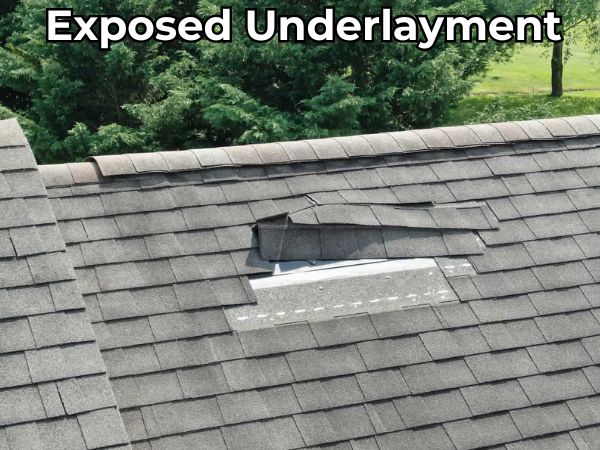
Why it should not stay exposed
What Underlayment Doesn't Do
One of the biggest misunderstandings about underlayment is thinking it can perform like shingles just because it helps resist moisture. It cannot. Underlayment is designed to work underneath a complete roof system, not sit uncovered through weeks of sun, storms, wind, and temperature swings. That is why homeowners often ask how long can roof underlayment be exposed after a storm or during a delayed roof replacement. The answer depends on the product, the weather, the slope of the roof, and how well the material was installed, but the safest answer is simple: cover it as soon as possible. Asphalt-saturated felt can wrinkle, dry out, tear, or absorb moisture when left open to the elements. Synthetic products usually handle exposure better, but even those have manufacturer limits for UV, heat, wind, and installation conditions. Once underlayment starts to degrade, it may no longer seal around fasteners or shed water correctly. That means the roof deck beneath it becomes more vulnerable, especially around nail holes, seams, valleys, vents, chimneys, and edges. A roof can look “mostly fine” from the yard while water is quietly finding weak points underneath. Exposed underlayment should not be treated like a finished temporary roof. It is a sign that the protective outer layer is missing, and the sooner it is repaired, the better chance you have of avoiding leaks, mold, stained ceilings, and damaged decking.
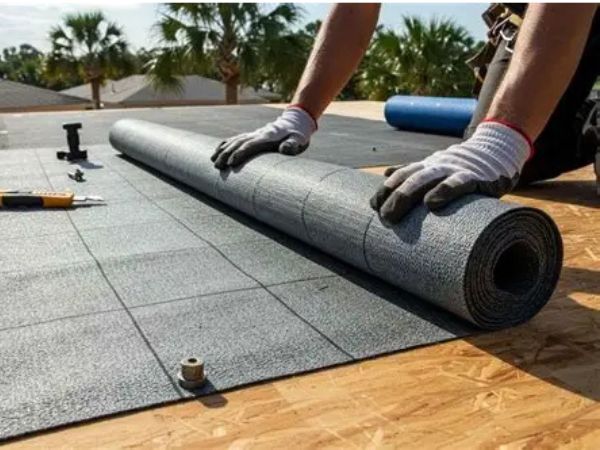
Small exposure can turn into big roof damage
What Happens When Rain Hits Exposed Underlayment?
Rain is where exposed underlayment gets risky fast. A light shower may not cause immediate interior leaking, especially if the material is newer, properly overlapped, and still intact. But roof underlayment exposed to rain should never be ignored, because every storm adds stress to a layer that was meant to be protected by shingles. Water can work under seams, around fasteners, beneath lifted sections, and into areas where wind has loosened the material. If the roof has missing shingles, cracked flashing, damaged ridge caps, or exposed valleys, rain can travel farther than homeowners expect before it finally shows up as a ceiling stain. By the time water reaches drywall, insulation, or attic framing, the damage may already be larger than the visible spot inside the home. Moisture trapped in the roof assembly can also lead to soft decking, mold growth, rotted fascia, and reduced insulation performance. The danger is not always one dramatic leak; sometimes it is repeated dampness that slowly weakens the roof system. After a storm, homeowners should look for missing shingles, dark exposed patches, loose materials, ceiling discoloration, attic dampness, or musty smells. If any of those signs are present, the roof should be inspected quickly. Temporary protection may be needed until repairs can be made, but the real fix is restoring the proper roofing surface over the underlayment.
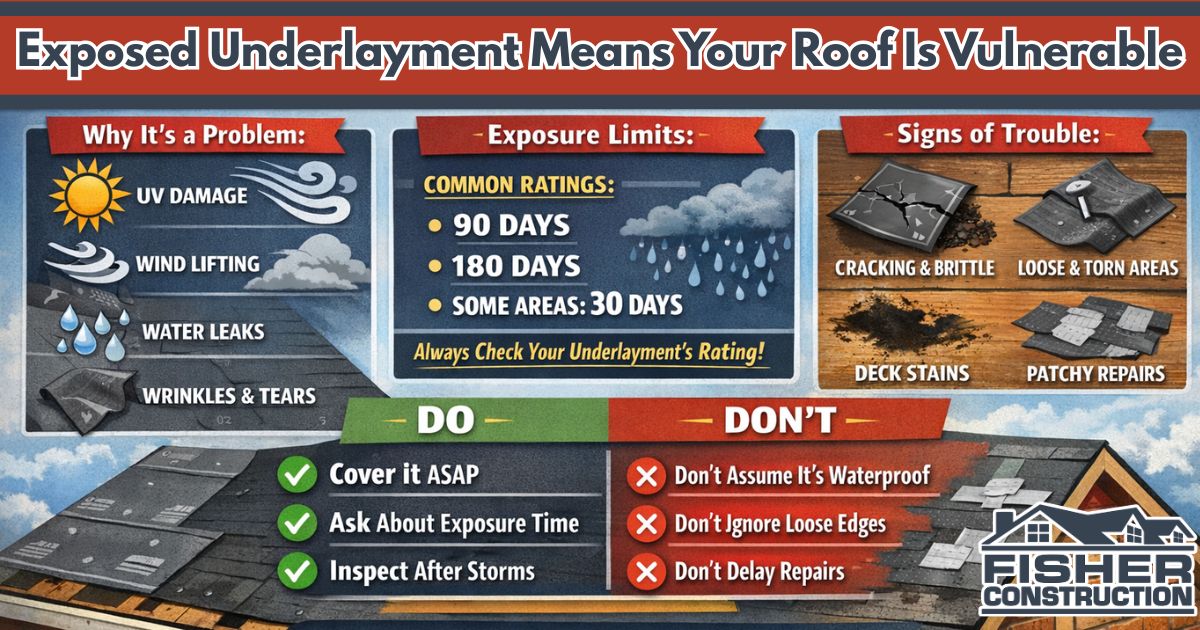
Stronger does not mean permanent
How Long Can Synthetic Underlayment Last Uncovered?
Synthetic underlayment is stronger and more weather-resistant than traditional felt, which is why it is common on modern roof replacements. It is lighter, more tear-resistant, and less likely to wrinkle when exposed to moisture. Still, the question how long can synthetic underlayment be exposed does not have one universal answer. Some products are rated for weeks or even months of UV exposure, but those ratings depend on the brand, installation quality, roof slope, climate, and whether the material has already been damaged. Even if it can temporarily handle sunlight and moisture, synthetic underlayment is not meant to replace shingles long term. UV rays can weaken the material over time, wind can loosen seams and fasteners, and rain can work its way into small gaps. In the Midwest, hail, heavy storms, freeze-thaw cycles, and strong winds can make exposed areas even more vulnerable. Leaving underlayment uncovered also increases the chance that a small repair turns into larger roof deck or interior damage. The best move is to have the roof inspected and repair the exposed area before more weather hits. If you have exposed underlayment or missing shingles, Fisher Construction LLC can provide a free roof inspection to help identify hidden damage and prevent more costly repairs.